
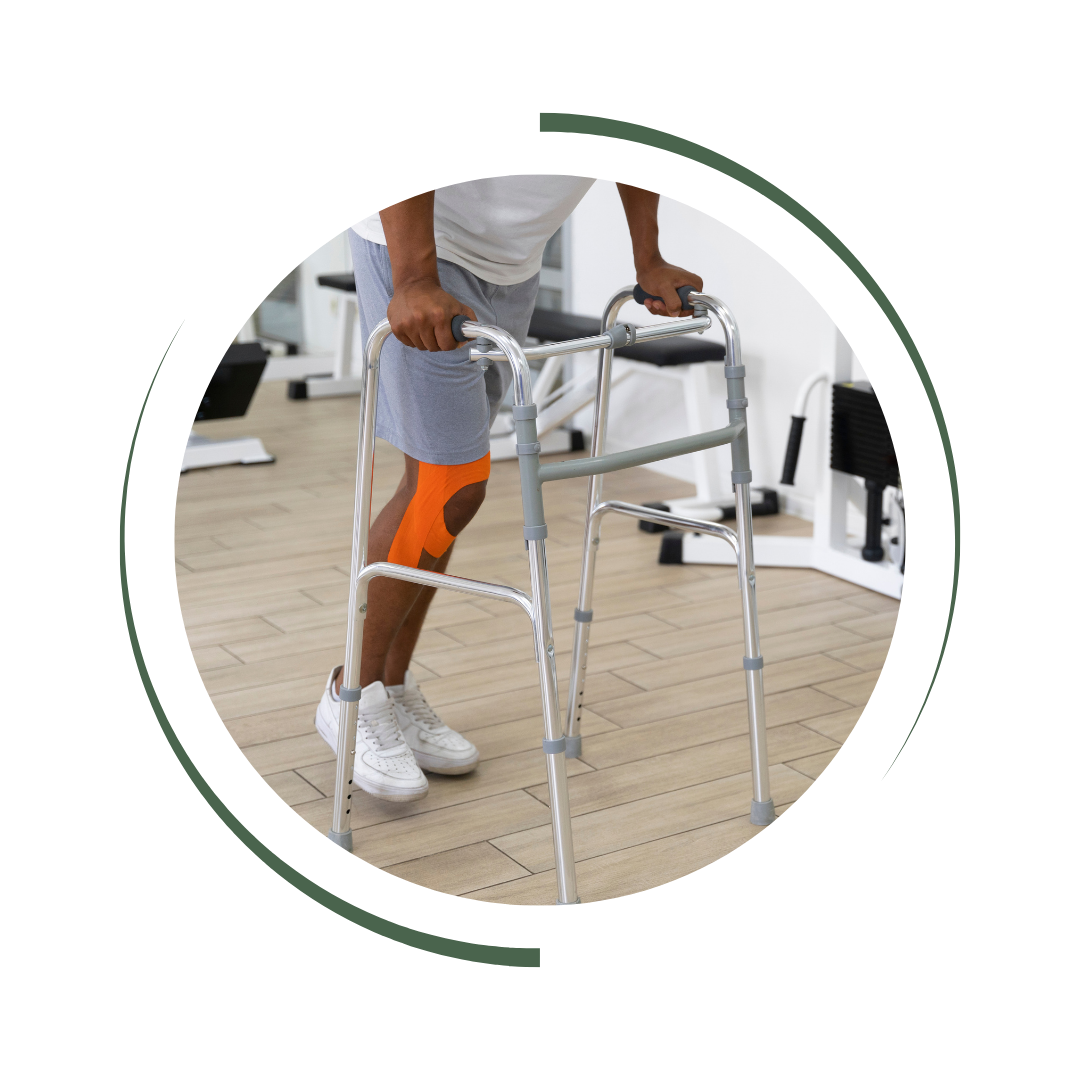
Pre-habilitation prior to surgery
Preoperative rehabilitation, or 'prehab', is a form of intervention which aims to dampen side effects of medical or surgical intervention. It can decrease the total rehabilitation time after surgery. It is recommended to have medical clearance before taking part in a pre-habilitation program
Post-surgical rehabilitation
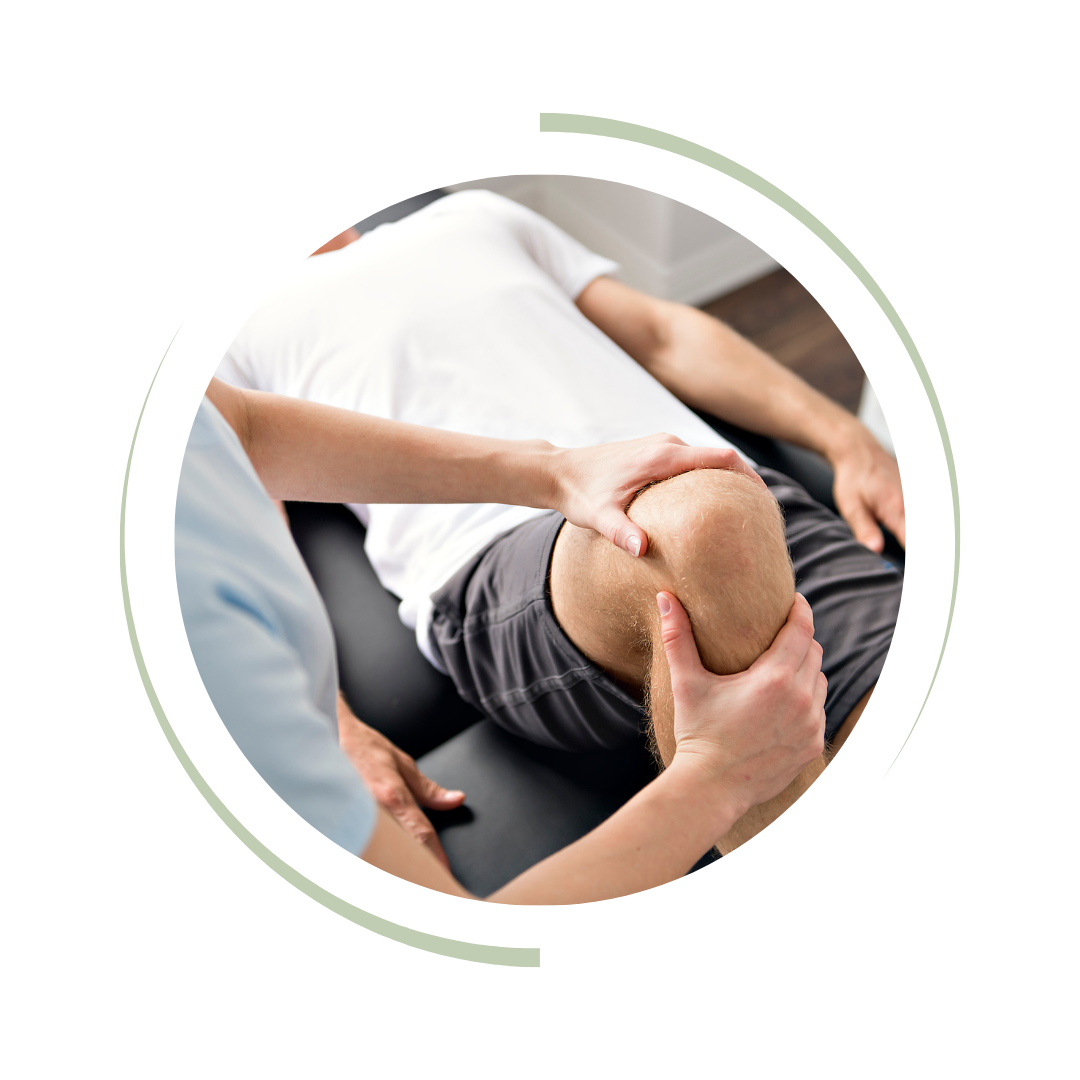
Rehabilitation after surgery is a vital part of the healing process and is essential for restoring full function and returning to daily activities safely and effectively. After procedures such as joint replacements, ligament repairs, spinal surgery, or arthroscopic procedures, the body undergoes a period of healing that requires structured support to regain strength, mobility, and confidence.
Final Phase & Sports Injury Rehabilitation
This phase is prior to discharge and flexibility, strength, and muscle endurance are all at normal or near-normal levels. The patient is ready for more advanced, aggressive activities that further stress the injured area in preparation for a return to normal activities.
Cardio-Vascular
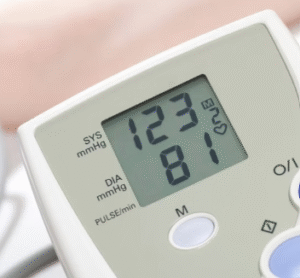
Cardio-Vascular disease refers to conditions that affect the heart and or blood vessels. These conditions include high blood pressure, coronary artery disease, peripheral artery disease, stroke and abnormalities of the heart such as arrhythmia and heart failure.
Metabolic Syndrome
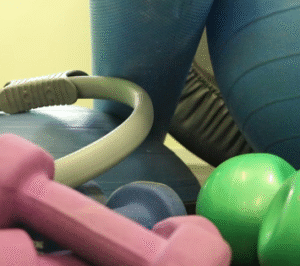
Metabolic syndrome includes a variety of conditions that increase your risk for cardiovascular disease. These conditions include high blood pressure, high cholesterol, diabetes and obesity or a combination thereof .
Cardio Respiratory
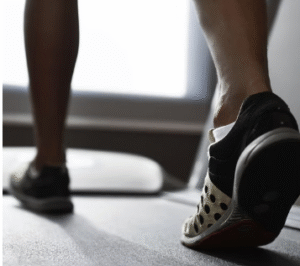
Cardio-Respiratory conditions refer to conditions that mainly affect the lungs and breathing mechanisms. These conditions include asthma, Emphysema, pneumonia, COPD and CRPD.

Frailty
Frailty is a distinctive health state related to the ageing process in which multiple body systems gradually lose their in-built reserves. This includes degenerative disease, decreased muscle mass, decreased stability and other conditions associated with old age.
Postural Correction
Posture is the position in which you hold your body upright against gravity while standing, sitting, or lying down.
Biomechanical Correction
Biomechanics encompasses the area of science concerned with the analysis of human movement patterns. Mechanics is a branch of physics that is concerned with the description of motion/movement and how forces create motion/movement.
Running Gait Analysis
Assessment of running technique to identify possible discrepancies in running style that could impact performance or contribute to running related injuries.
Functional Movement Screening
The FMS is a tool used to identify asymmetries which may result in functional movement deficiencies. The FMS aims to identify injury risk as well as imbalances in mobility and stability using seven fundamental movement patterns.
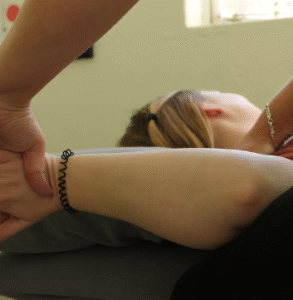
Rehabilitation for Neuromuscular Conditons
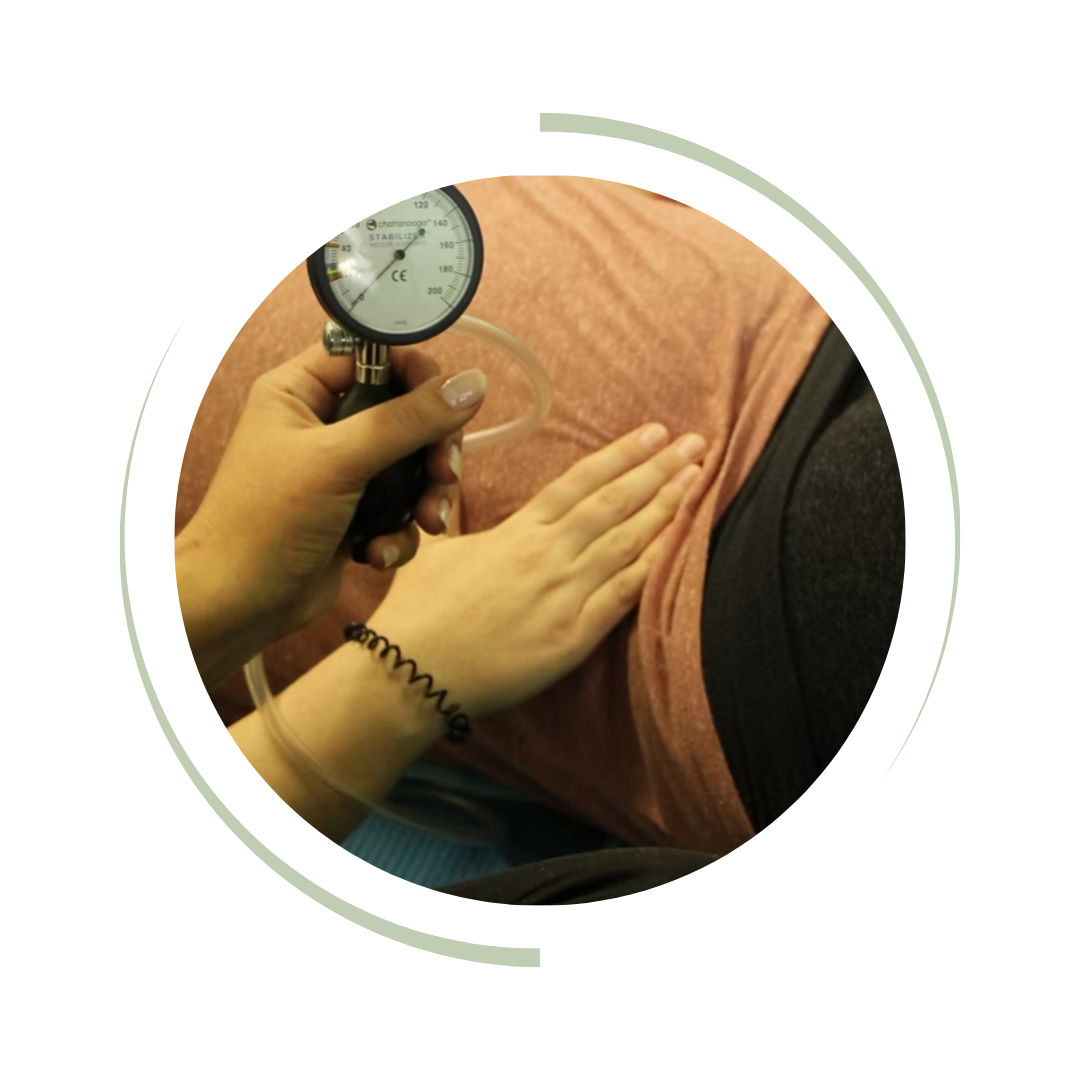
These conditions, such as spinal cord injury, stroke and TBI, have an effect on muscle strength, endurance, mobility and stability which impact on a person’s ability to take part in activities of daily living.
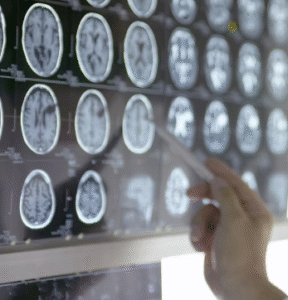
Concussion
A concussion is an injury to the brain that results in temporary loss of normal brain function. It is defined as a clinical syndrome characterized by alteration in brain function, including alteration of mental status or level of consciousness which is he direct result of an impact to the head.